
Slime and Reason
Slime slowly enters from stage right
In 2010, a Japanese researcher Atsushi Tero made a surprising discovery. He realised that slime mould could reconstruct the transport networks that surround Tokyo. Despite having no brain or central control system of any kind, the mould made decisions surprisingly similar to those of the highly trained engineers that built the Japanese rail system.
Physarum polycephalum (the “many-headed slime”) is a plasmodial, single-celled organism which grows outward from a single point as it searches for food. During the experiment the slime mould was fed oats, placed in small piles representing Japanese cities. Once the food sources are located, many of the branches sent out from the center die back, leaving only the most efficient routes between food sources, as can be seen in the final frame (above). Other researchers have run similar experiments with the US and Spanish transport systems and found that there too the slime recreates the existing system.
Growing utopia in a petri-dish
Over the past decade, the remarkable behaviour of slime mould has been widely celebrated by intellectuals, journalists, and business gurus, with one senior figure at Alphabet going as far as to say that “Google is basically a slime mould.” Alongside this, something of a cottage industry has emerged that uses slime mould to provide experimental solutions to a variety of problems, with architects, technologists and artists all keen to get in on the act.
These works are just the sort of thing that Cyber-libertarians invoke to support their belief that society is composed of self-organising systems. In their view, social order emerges from interaction between individuals, with coordination arising in a decentralised manner. Thus they argue society could be run effectively without centralised bureaucratic control. If a slime-mould can design a railway system in a few hours, why do we need to pay hundreds of bureaucrats and engineers to do it?
Within such systems, individuals typically adapt their behaviour through observation and exchange of information. This in itself is hardly controversial. What is distinctive in Cyber-libertarian discourse is the claim that organisational forms superior to those produced by humans can emerge when complex systems are allowed to evolve unfettered by moral, legal, or institutional constraint. In other words, if a slime-mould can already design an efficient railway system, could we breed slime-moulds and select for those that produce the most efficient systems?
At this point, Cyber-libertarians then argue that it is possible to simulate the behaviour of complex systems computationally. There's no need to breed slime-mould in order to improve performance. Through high-speed iteration, competition and selection, simulations are treated as a means of fast-tracking evolutionary processes and uncovering powerful new forms of social organisation.
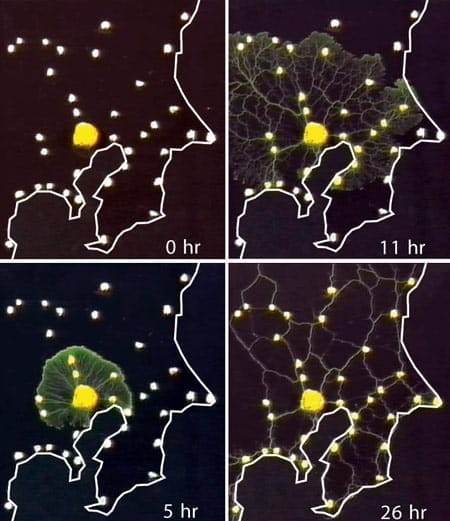


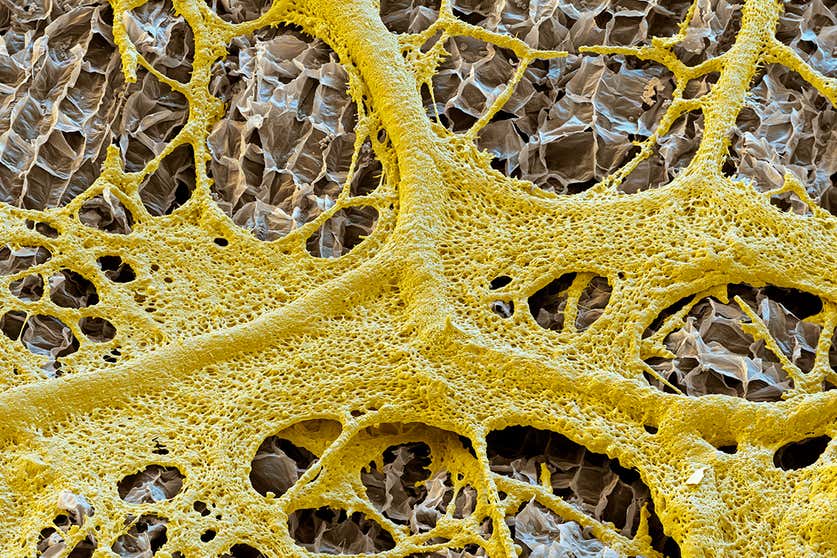
(1) Tero's slime mould model of the Japanese railway system. (2) Still from the Pompidou Centre exhibition focused on slime mould (3-4) ecoLogicStudio's GAN-Physarum, a slime-mould recreated with AI, used to model Guatamala City (5) A slime-mould, which, according to composer and academic Eduardo Miranda, can carry a tune
Cyber-libertarians contrast this picture of dynamic adaptation with that of classical liberal and conservative accounts of society, which they characterise as static and inefficient, due to the restrictions of legal and moral frameworks tied to tradition, authority, and established power. By deploying their systems in the real world, they intended to accelerate the erosion of purportedly inefficient governmental, institutional, and moral structures by placing them in direct competition with the supposedly superior mechanisms derived from computer simulation. Since those systems are so hidebound by tradition and morality, in their view, the new systems derived from computer simulation will easily outperform them.
The story Cyber-libertarians tell is certainly compelling. Nation states across the globe are struggling. If we can live in a world without them, that's run better, who wouldn't want that? But on closer inspection, problems begin to appear. Although these simulations are intended to show how complexity can arise from simplicity, they do so by relying on agents whose behaviour is so simplified, so uniform, as to be of no real-world application. Since we are talking about systems which interact with humans - they have to take account of human behaviour. Unfortunately, the information ecosystem the Cyber-libertarian's have designed underestimate the large variety of ways in which human behaviour is distorted by what philosophers have come to call epistemic vices: stable, but negative, character traits that consistently affect inquiry. We can see this most clearly in the simulations and metaphors that inspire cyber-libertarian thought: information is transmitted honestly, gathered competently, and processed without distortion. Even where adversarial behaviour is acknowledged in more technical domains like game theory those constraints rarely surface in the rhetoric that presents networks as robust and self-correcting. As a result, when communication systems built under these abstractions encounter the full range of perfidious, manipulative, or prejudiced behaviours that real humans exhibit, they appear far more brittle than their champions imagined.
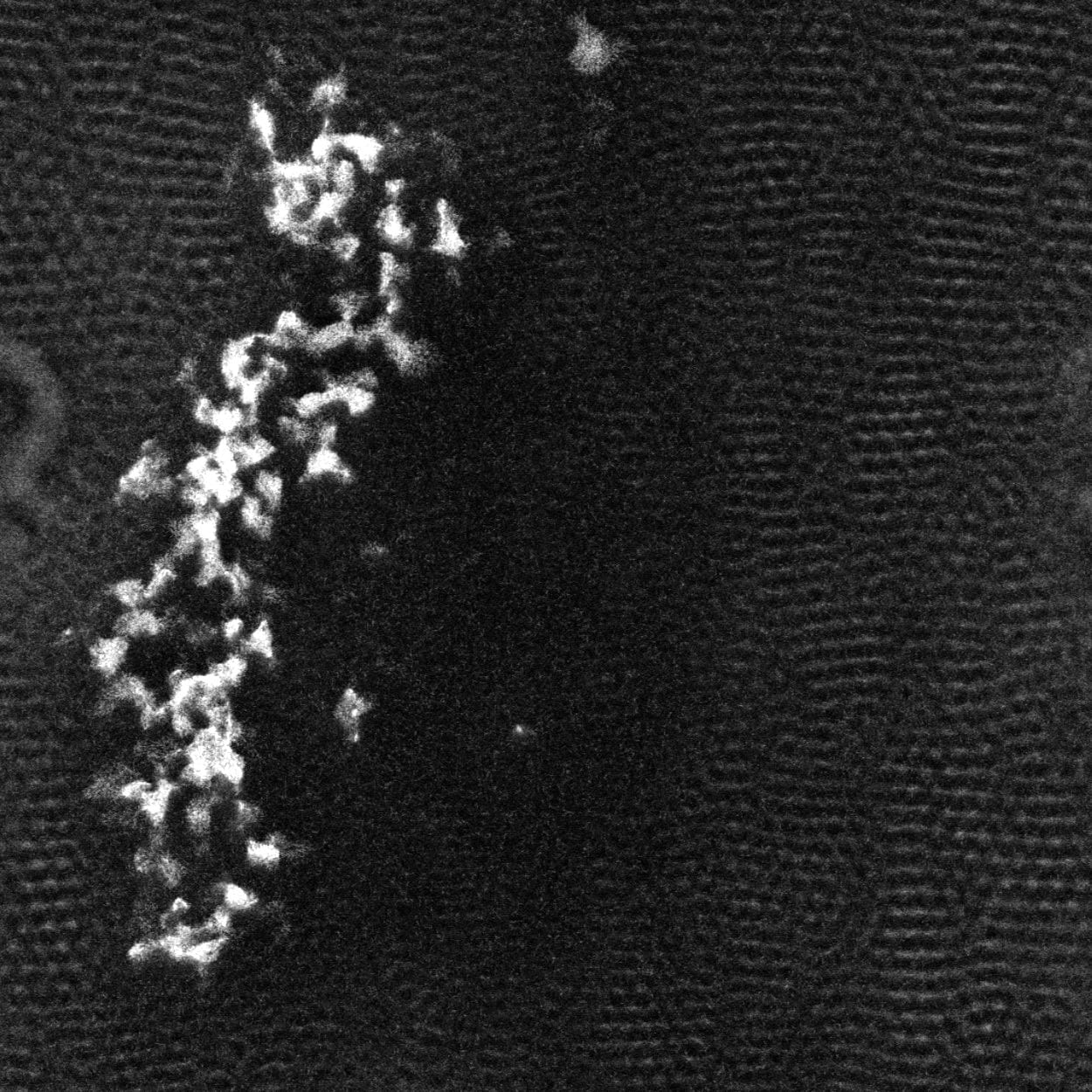


Stills from Slime and Reason: Pairs of competing systems can produce unpredictable interactions. This shows the same system interacting with four different kinds of close-minded agents.
Artificial Slime
In his original paper, Atsushi Tero and his co-authors presented an agent-based computer model that simulates the route-finding capabilities of slime mould. Slime and Reason is an adaptation of this model. The underlying algorithm is deliberately simple, and will be familiar to anyone acquainted with swarm systems such as The Boids. Each agent has three sensors: left, right and centre. At each step, the agent senses nearby food and either turns left, turns right, or continues straight on. As agents move, they deposit a chemical trail that can be sensed by others. Over time, frequently travelled routes are reinforced, while inefficient paths gradually disappear.
While slime mould has been exciting Cyber-libertarians, researchers in the philosophy of science have been studying how epistemic vices can enable the spread of misinformation. Slime and Reason brings these two strands together, by combining Tero’s slime mould simulation with game-theoretic techniques from minsinformation research. Instead of using slime-mould to design a railway network, I looked at whether the basic system could survive in the presence of a potentially harmful food source. In this situation honest communication is vital to survival, and misinformation can be seen as a threat.
The recent public debate over the safety of raw, unpasteurised milk provides a useful example of thr dangers of misinformation to health, which will help us understand how the simulation works. Raw milk has been embraced by wellness communities on social media, where it is often presented as a more “natural” alternative to the pasteurised milk available in supermarkets. Advocates claim that pasteurisation diminishes the nutritional value of milk and removes beneficial bacteria, framing raw milk as both healthier and more authentic.
But food safety experts are horrified by the growing raw milk trend. “Pasteurizing milk is one of the great public health achievements of the 20th century,” says Professor Marion Nestle, of New York University. She argues that the growing popularity of raw milk cannot be explained solely by concern about ultra-processed foods — which pasteurised milk, she underscores, is not. “It’s part of the whole anti-authoritarian, anti-science, anti-expertise waves that we’re seeing in this country right now.”

Let's turn this debate into a more formal model, to demonstrate how my simulation works. Suppose we have a group agents who are considering the hypothesis: “Drinking raw milk causes sickness" (H). We can formalise this by saying that each agent holds a belief about H represented by a value between 0 and 1, where 1 indicates complete confidence that H is true, and 0 complete confidence that it is false.
Agents update their beliefs about H in two ways. First, they may gather empirical evidence, by making observations or running tests. This need not take place in a laboratory. An individual who drinks raw milk over an extended period and notes whether they become ill is, in a limited sense, gathering evidence. In the simulation this is all the agents do.
Secondly, rather than relying solely on their own experience, they may ask friends, go online, or observe prevailing opinion within their community. In doing so, agents allow their beliefs to be shaped not only by direct observation, but by the testimony of those around them.
In a large network, when agents behave open-mindedly, testify honestly and revise their beliefs in response to evidence, the population can converge on the truth even in the absence of formal scientific institutions. Raw milk can carry harmful bacteria such as campylobacter, listeria, and salmonella. Some of these are serious enough to kill young children, or those with weakened immune systems. Reports of severe illness and death, when widely shared and honestly reported, provide powerful evidence. As such observations accumulate, agents adjust their beliefs accordingly, and false or overly optimistic views are gradually abandoned. Of course, before pasteurization, raw milk was widely consumed in the west. That's not to say that it didn't make us sick, but it was just one of many dangers which may have been difficult to differentiate from others, such as drinking water. Also, in less urbanised societies citizens are more likely to come into contact with the sources of harmful bacteria found in raw milk - cow dung for example - and may have been able to build up greater immunity. This is not at all to say it is without risk, as Professor Nestle reminds us: “Drinking cow’s milk used to kill babies.”
In Slime and Reason, the agents are taking part in a process of public deliberation, through observation and communication, and that process depends on the integrity of the participants themselves. When businesses have incentives to promote raw milk, they may selectively present evidence in ways that cast doubt on H, emphasising cases where no illness occurred or suggesting that risks apply only under limited conditions. For instance, they may emphasise that raw milk was widely consumed in the past. In doing so, they introduce systematic distortions into the information environment. Agents who encounter such claims may discount genuine evidence of harm, slowing or preventing convergence on the truth.
The most serious disruptions arise when some agents are close-minded. Such agents refuse to revise their beliefs, dismiss evidence that contradicts their existing views, and report unwavering confidence when consulted. We might think of these agents as believers in conspiracy theories. While such individuals are often described as open-minded for entertaining unconventional ideas, their defining feature is the opposite: their beliefs have become insulated from revision. Evidence (or lack thereof) no longer functions as a corrective, and the normal processes by which networks converge on reliable conclusions begin to break down.
As I found whilst developing Slime and Reason, the presence of close-minded agents fundamentally alters the behaviour of the system. In their absence, agents reliably converge on the truth and adopt healthy behaviour. When social influence is weakened, even networks containing close-minded agents tend to recover, with most agents avoiding harmful food. However, when social influence is strong, misinformation can persist or dominate, even if as few as 1% of the agents are close-minded.


Network distortion caused by various epistemic vices. Top row: (L) Control: no vice (M) Prejudice (R) Close-mindedness Bottom row: (L) Contrarianism (M) Insouciance (R) Arrogance
Slippery Thinking
It is worth digging a bit deeper into the philosophical discussion of epistemic vice to understand better the implications of this simulation. In the model, agents are engaged in a public debate over the safety of raw milk. This is a kind of reasoning process. Following Aristotle, philosophers distinguish between two different kinds of reasoning processes: theoretical reasoning, which is aimed at truth, and practical reasoning, which is aimed at action. In many real-world situations, we must act before the truth is fully known. Practical reasoning unfolds under constraints: urgency, uncertainty, and risk, and so on. Under such conditions, we often rely on the testimony of others. What matters then is their intellectual character, because truth is not known. Are the participants honest? Are they careful in their judgments? Are they responsive to evidence? And which of these traits are most relevant to the sucess of the deliberative process? Furthermore, with the benefit of hindsight, we could always reevaluate the decisions we made. If we'd known more, we might have made a different, better decision. Practical reason is thus aimed not just at action, but at the best action we could reasonably take under the circumstances.
Philosophers of epistemic virtue have argued that potentiall relevant character traits must be evaluated in light of the ends internal to reasoning process itself. The relevant question is not whether a person is successful, wealthy, or influential, but whether they possess the qualities that enable them to have researched the issue competently. A wealthy influencer may confidently promote raw milk, but the success they've earned is external to the practice of inquiry. What matters instead is whether they are honest, humble, and unbiased.

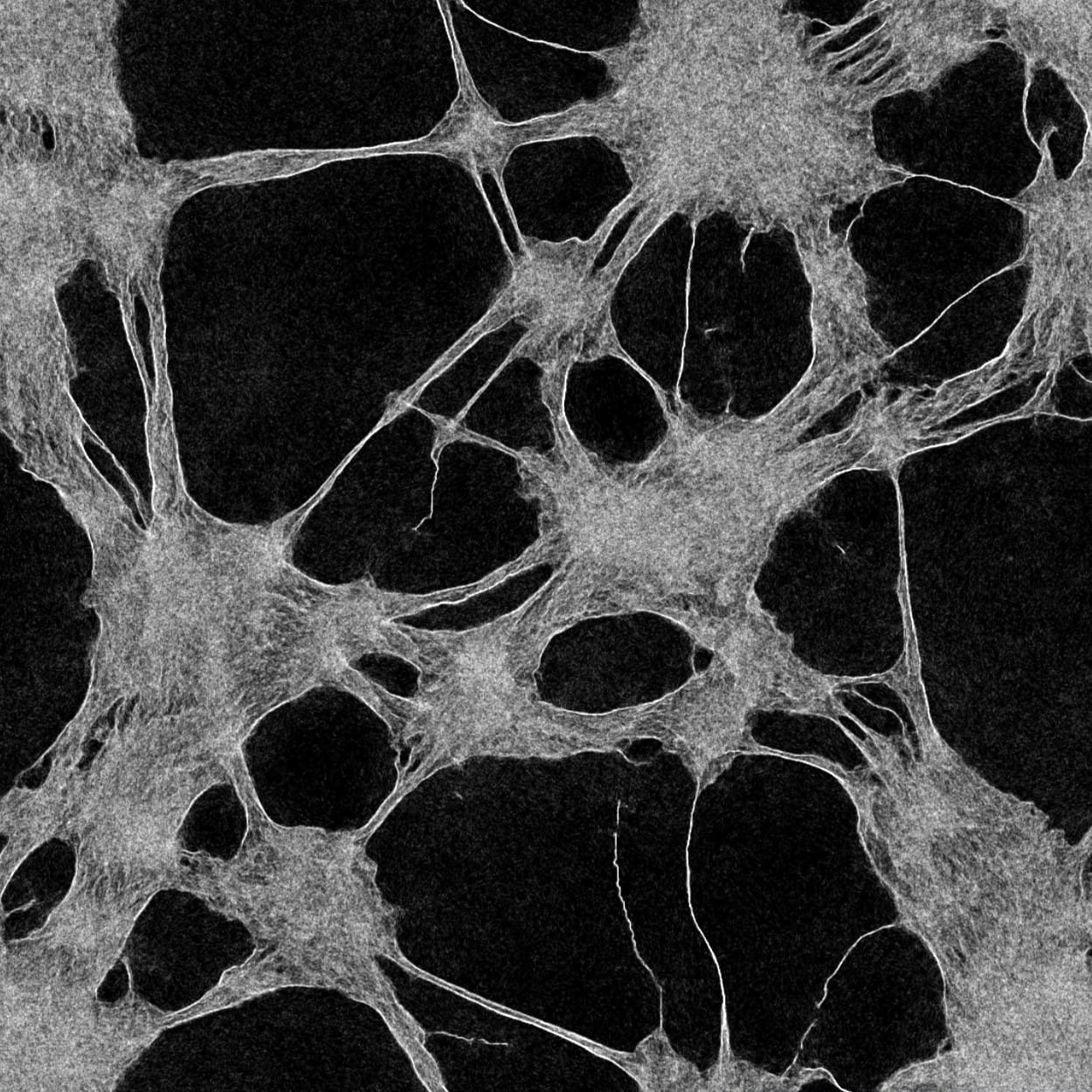
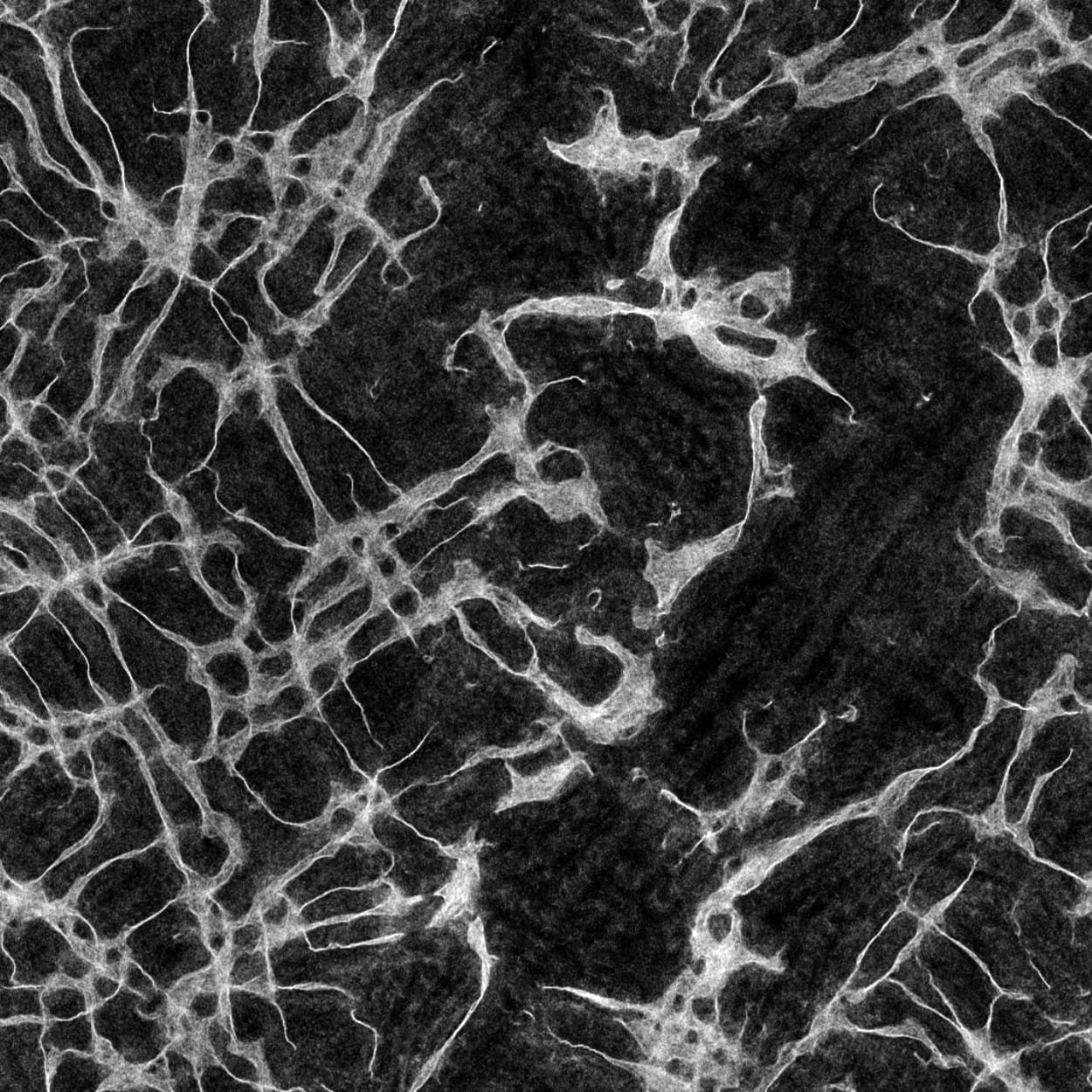

Clockwise from top left: (1) Initial state of unaffected network (2) Stable state of unaffected network (3) Initial state of the same network affected by close-mindedness. Connections are quickly ripped apart (4) Stable state of affected network forces slime into a less connected, rectilinear topology
Now we have established these distinctions we can use them to understand the nature of the deliberative systems Cyber-libertarianism has developed. By treating knowledge as valuable only because it functions as a successful evolutionary strategy, Cyber-libertarianism places it external to the practice of inquiry, just like the influencers. This is no accident - influencers are using the system to profit, just as Cyber-libertarianism expected. In Cyber-libertarian systems, agents are oriented toward survival rather than knowledge itself. The system finds an equilibrium which balances the various external constraints the agents are acting within. Yet practical reasoning is aimed a producing the best action we could reasonably take. What the Cyber-libertarian system produces is not the best, but the minimum viable action. Furthermore, the system as a whole is vulnerable to manipulation, since it is populated by agents who do not act to protect the practice of inquiry itself. And this is indeed what has happened with raw milk. We risk a major public health emergency, because social media systems have promoted the success of influencers over the accuracy of information the disseminate. On social media, no serious effort is made to protect the practice of enquiry from behaviour that undermines it, and this is one of the key reasons why misinformation can spread.
Surprisingly, none of this is acknowledged by the Cyber-libertarians. Thus epistemic virtue is smuggled into their models, whilst epistemic vices are always ignored. Under such idealised conditions, exceptional performance relative to real-world systems is entirely predictable.
Zuckerberg is a slimeball
I have argued that Cyber-libertarianism rests on naive and unrealistic models. It may be objected that all models are idealisations, and that such simplifications are unavoidable in science and engineering. Indeed, history is littered with examples of buildings that collapsed because the theoretical models employed in their design proved inadequate. But for engineers, failure prompts revision, the strengthening of standards, and the introduction of additional safeguards. No engineer argues that because a model assumed ideal behaviour, guard-rails are unnecessary. Guard-rails exist precisely because behaviour, materials, and conditions deviate from idealised assumptions. Bizarrely, Cyber-libertarianism reverses this logic: idealisation is treated not as a reason for caution, but as a justification for dismantling the very mechanisms designed to absorb failure.
This reversal is clearly visible in the public rhetoric of of Mark Zuckerberg. In 2012, he claimed that “Facebook was not originally created to be a company. It was built to accomplish a social mission — to make the world more open and connected.” In other words, he is claiming Facebook was created to promote the practice of public deliberation first and foremost, with external concerns such as profit regarded as secondary. Knowing what we know about Zuckerberg's character it is easy to dismiss this as a thoroughly disingenuous statement. Nevertheless, he elaborated on this in a subsequent interview: “When we talk about connecting the world... the benefits are many: access to education, health information, jobs and so on.”

Yet during the COVID-19 pandemic, these same systems facilitated the rapid spread of health misinformation, which public-health researchers linked to vaccine hesitancy which in turn leads to avoidable death. Whilst Facebook did make efforts to remove misinformation, they also removed pro-vaccine content from reliable sources, exacerbating the problem. When questioned about this by the U.S. House Judiciary Committee, Zuckerberg expressed regret — not that his company fell short at a time of global crisis — but that he caved into pressure from the Biden administration to “censor” content. In hindsight, he said, Facebook would not have made the moderation decisions it did make. In other words, when problems with the model became apparent, Zuckerberg doubled down by arguing guard-rails only made the situation worse.
Cyber-libertarians frequently expand on this point by claiming that moral and institutional safe-guards are unnecessary because good system design can replace things like trust, judgment, and oversight. Blockchain technologies are frequently cited as paradigms: advocates claim that they are “trustless” systems whose reliability is guaranteed by cryptography and incentives rather than by institutions or judgment. By now it is well known that this is a canard. Fraud, theft, and deception are practically synonymous with crypto, and few beyond the diehard think crypto tokens are a safe investment.
This has not happened by accident. By design, blockchain systems exclude the possibility of correction: transactions are irreversible, appeals are impossible, and even manifest fraud cannot be remedied. In conventional financial systems, victims of deception can appeal to courts, regulators, or insurers. These mechanisms are not signs of weakness, but essential components of trust. No system is ever perfect, and the refusal to acknowledge the need for correction is itself an epistemic failure—confusing formal guarantees with genuine reliability.
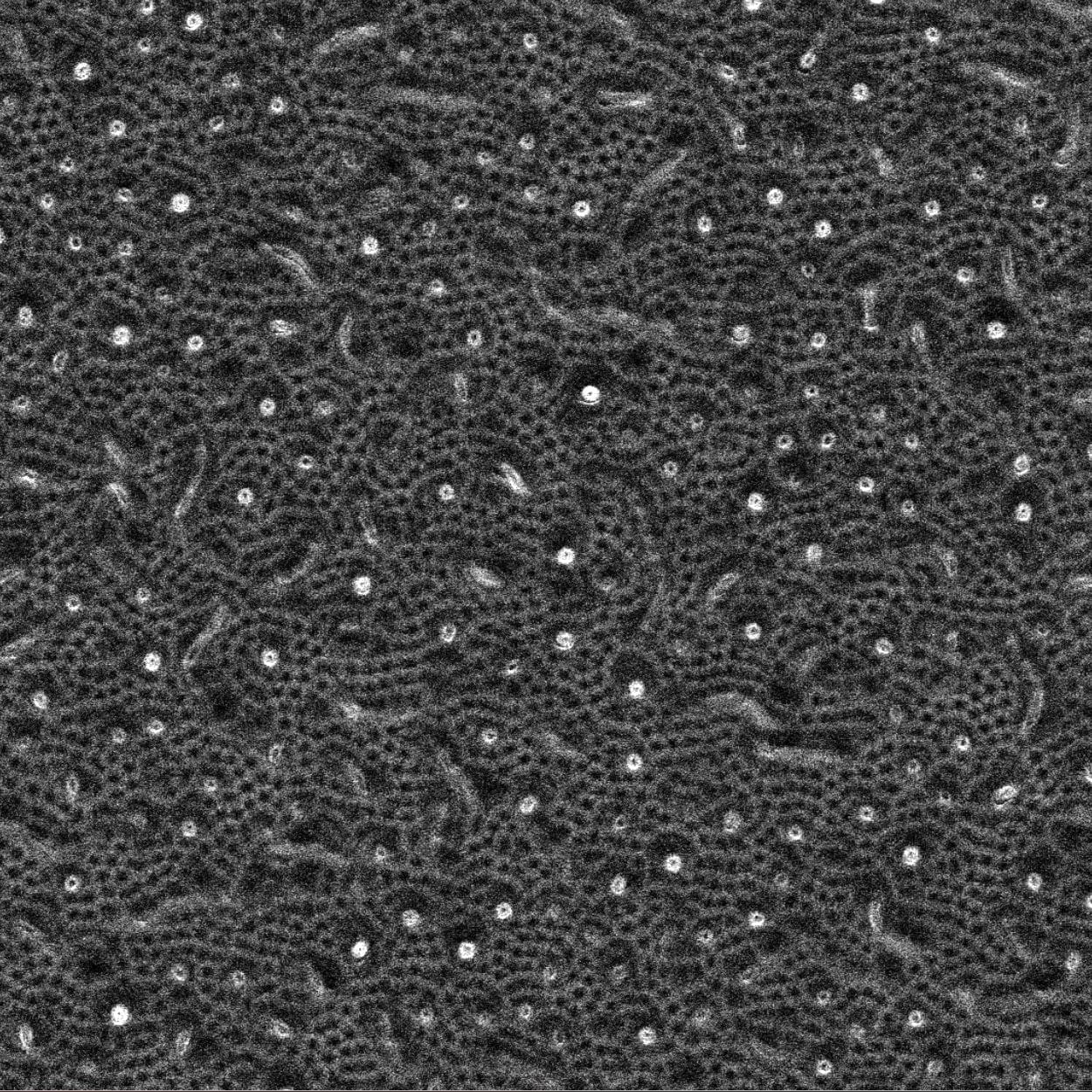


A dense network is ripped appart by misinformation
The trouble with slime
A third Cyber-libertarian response to my argument holds that good behaviour should not be built into models at all, but allowed to emerge as a successful strategy through repeated interaction. According to this view, any attempt to specify norms in advance is ultimately self-defeating. But we have already argued that this confuses regularity with normativity. Virtue is not merely a pattern of successful behaviour but a normative standard—honest agents are not merely honest when it is profitable to be so, but are honest even when it is to their material disadvantage.
What Cyber-libertarian models offer is not the evolution of virtue, but the erosion of normativity itself: standards are neither defended nor reformed, but displaced by whatever behaviours the system happens to reward. How those rewards are structured and by whom is of course extremely problematic. Cyber-libertarians understand this, which is why they want to create systems they can exploit for their own profit.
None of this is intended to idealise existing moral or institutional arrangements. Contemporary legal and political arrangements are often deeply flawed, often resting on inherited norms that warrant criticism or rejection. The claim is not that these systems are perfect, but that they provide mechanisms of accountability, contestation, and reform that cyber-libertarian alternatives explicitly reject. To dismantle them wholesale in favour of self-optimising systems is not to correct their failures, but to abolish the conditions under which failures can be identified and resisted at all.
Slime exits stage left pursued by zealots
There is a further irony here. Cyber-libertarianism traces its origins to the work of Norbert Wiener and Friedrich Hayek. Although emerging from different intellectual traditions, both thinkers were shaped by the experience of totalitarianism. Classical libertarian thought defines itself in opposition to systems characterised by central planning, coercive authority, and the suppression of individual autonomy. This historical inheritance continues to shape Cyber-libertarian rhetoric. Even modest forms of state intervention are frequently described in the language of authoritarianism, and regulatory or welfare institutions are routinely framed as steps toward fascism or collectivist control. Yet big tech is pushing society towards fascism, precisely because it refuses to impose control in the face of epistemically vicious actions, such as spreading misinformation.
As prominent figures in Silicon Valley turn to authoriarianism, the grounding of Cyber-libertarian ideology in these pseudo-scientific simulations begins to look apt. The models celebrated by cyber-libertarianism are not merely simplifications. They are abstractions that strip away essential features of humanity—epistemic responsibility, deception, power, and moral conflict—and replace them with homogenised automatons or basic organisms. Even though academics working with agent based models have developed work which is critical of the Cyber-libertarian viewpoint, their models still strip away these essential features of humanity.

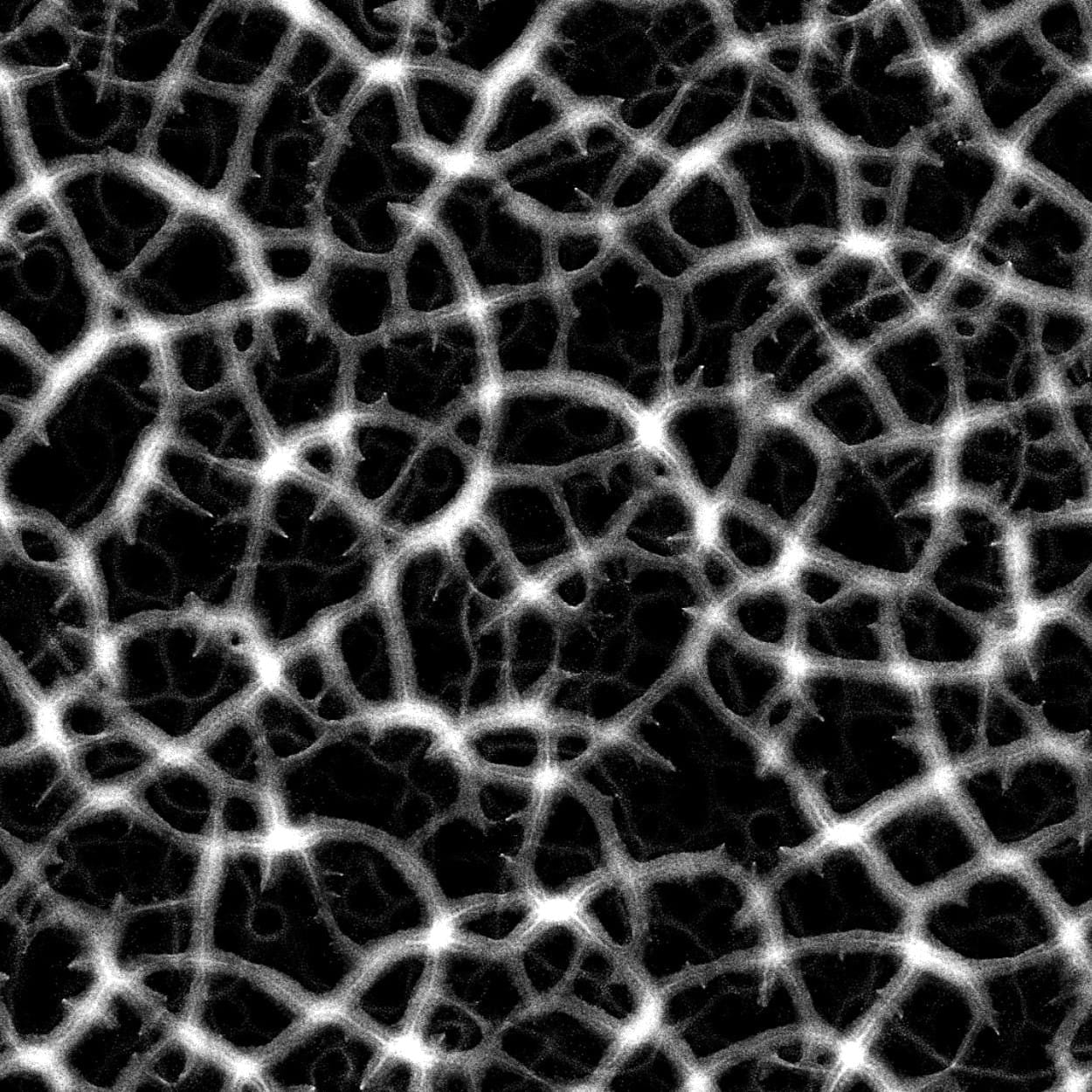


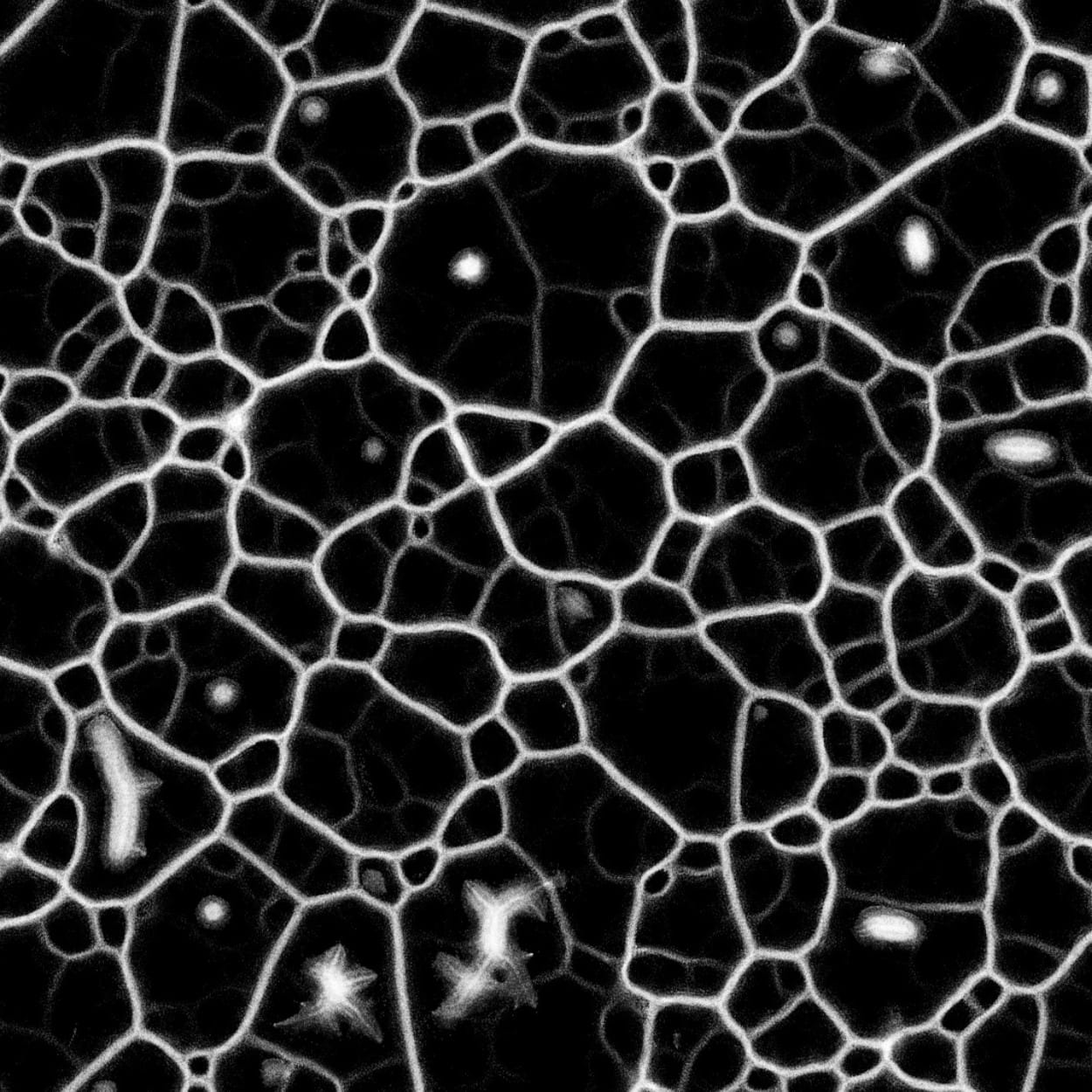
Clockwise from top left: (1) Initial state of a network with 3% close-minded agents (2) As close-mindedness affects the network it becomes more sparse (3) A new network begins to form (4) The old network is severed (5) The remainder of the old network is imprisoned, and will soon cease to exist
It might be objected that Slime and Reason is no different. But the aim of this work is not to propose a valid alternative, nor to predict real-world outcomes. It is to adopt the methods favoured by cyber-libertarians in order to construct a counter-example—a thought-experiment that contradicts their ideological pronouncements. Belief formation is a highly complex and varied practice which seldom involves the sort of mathematical calculation the agents in these models perform, and these models tell us little about how this works with human subjects.
Much has now been written about the increasingly fascistic rhetoric emerging from Silicon Valley, but the focus has mostly been on the character and temperament of a notorious group of CEOs and investors. Implicit in this commentary is the hope that that the internet might yet be redeemed: that if only we could return to the original Techno-utopian vision of the 1960s, we might recover a more democratic digital realm. My argument is different. Even that founding vision contains the germ of today's fascism. From the beginning, it framed society not as a field of human judgment, conflict and responsibility, but as a system to be optimized. What follows is the quiet assumption that humans, too, can be engineered — corrected, upgraded, improved. That assumption is not new. It belongs to a lineage that once marched under the banner of eugenics. The threat, then, is not simply the increasingly twisted rhetoric of today's tech-bros, but the utopian vision at the origin of the internet.
Read More
- Mycelial Landscapes, Merlink Sheldrake, Emergence Magazine
- Slime Mould in Art and Architecture, by Andrew Adamatzky, The Centre for Unconvential Computing
- GAN-Physarum, by Claudia Pasquero and Marco Poletto, ecoLogicStudio
- Vices of the Mind, by Qassim Cassam
- The Misinformation Age, by Cailin O'Connor and James Owen Weatherall
Acknowledgement
I would to acknowledge a technical debt to Sage Jensen, whose shader code Slime and Reason expands on.
Dedication
I would like to dedicate this work to Ewan Robertson (1985-2012), who created this wonderful sculpture for the cover of Roots Manuva's album Slime and Reason.
