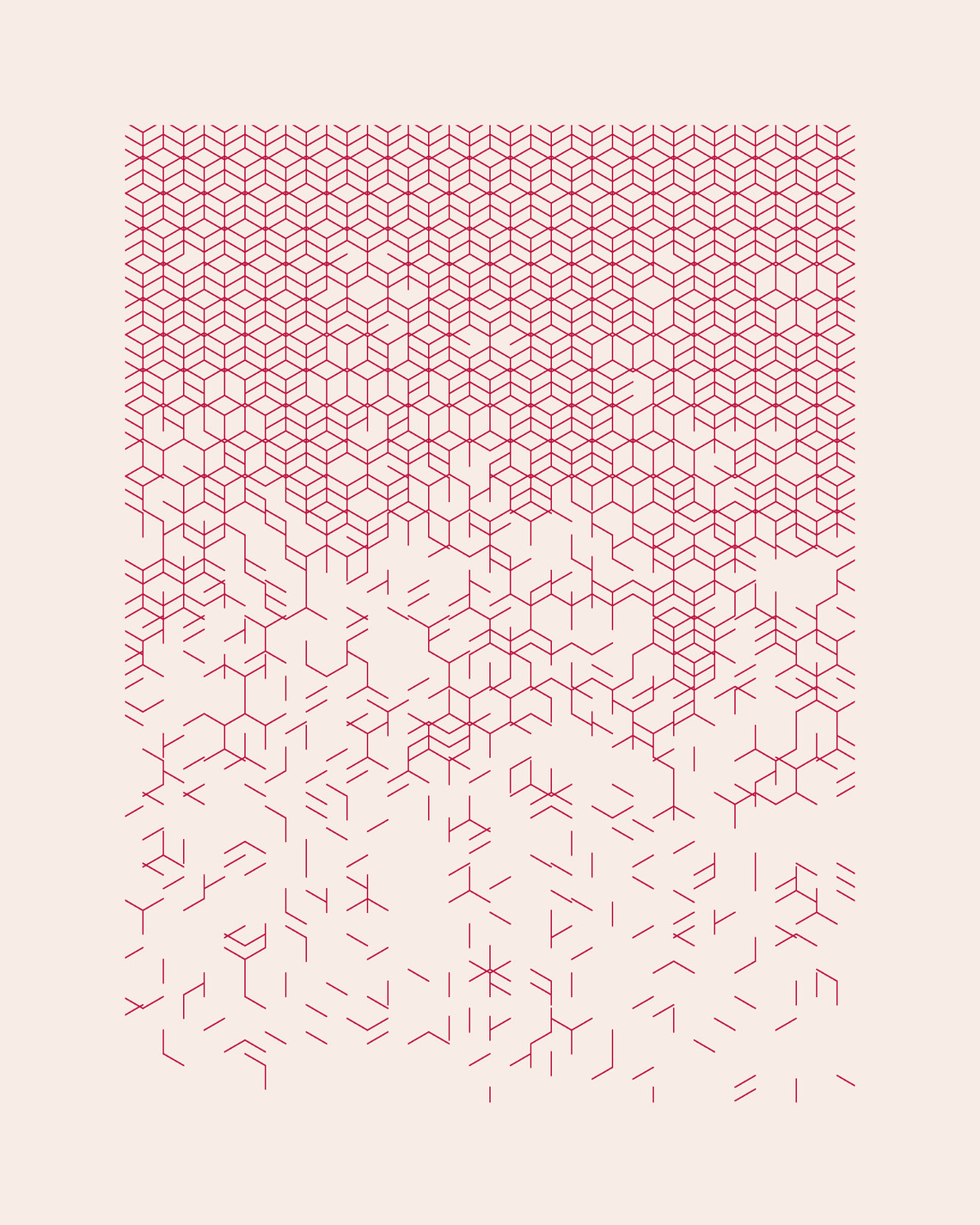
Network collapse
Experiments with multi-agent systems have inspired a generation of Techno-utopian thinkers, who believe they are a blueprint for decentralised societies governed by algorithm rather than institution. But these simulations concentrate on rational, computational behaviours: signalling, calculating optimal paths, and converging on consensus through statistical aggregation.
These studies explore the gaps in this vision by extending the same modelling approach to include dynamics inspired by epistemic vices. Even modest additions of these behaviours produce systems that are far more fragile and easily destabilised than Techno-utopian models suggest. Human societies are not merely systems of control and coordination, but domains shaped as much by storytelling, art, and morality as by rivalry, corruption, and even evil—forces the Techno-utopians would rather ignore.
A4 Plots
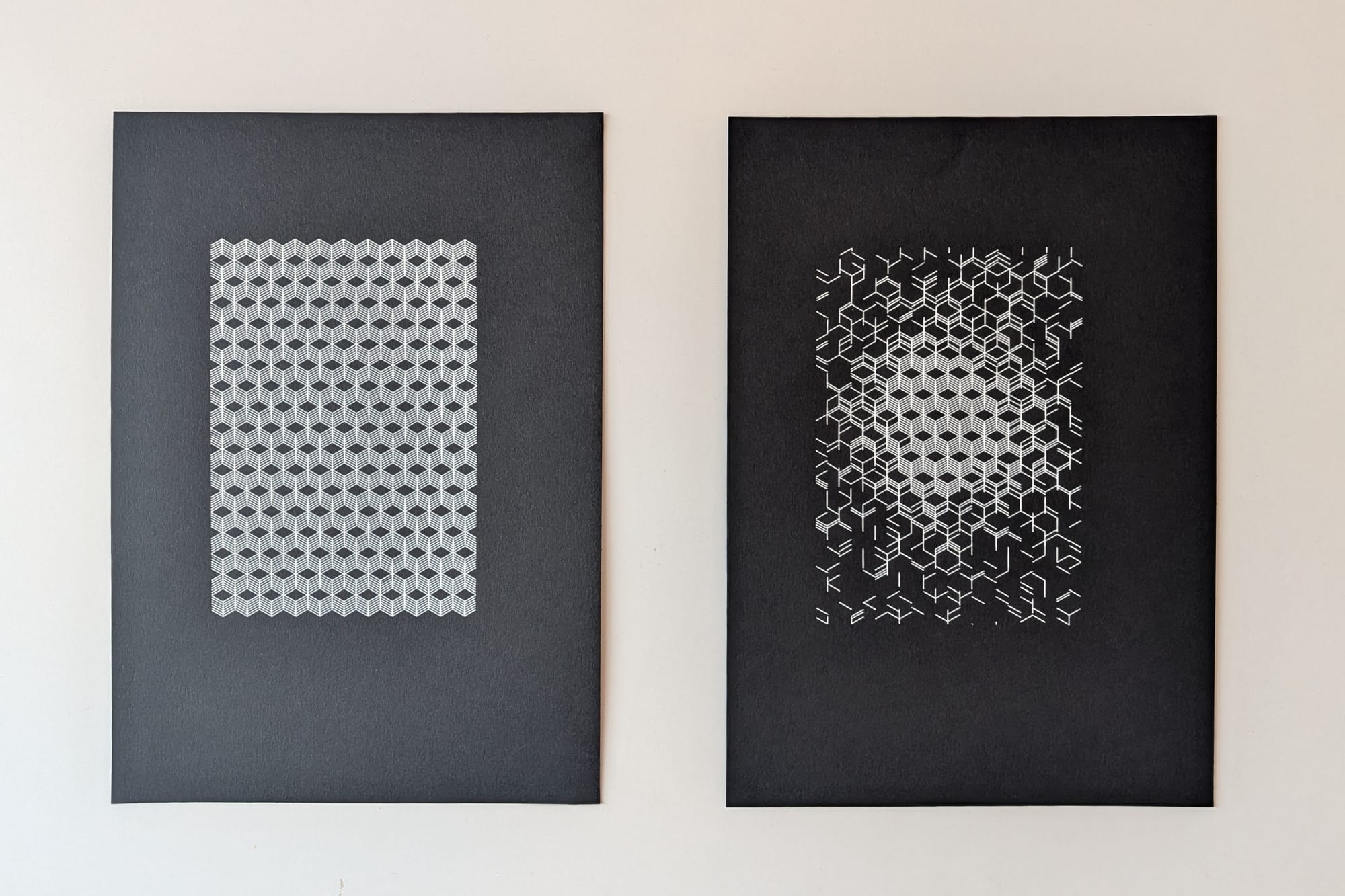
A side by side plot showing the effect of close-mindedness on a regular network
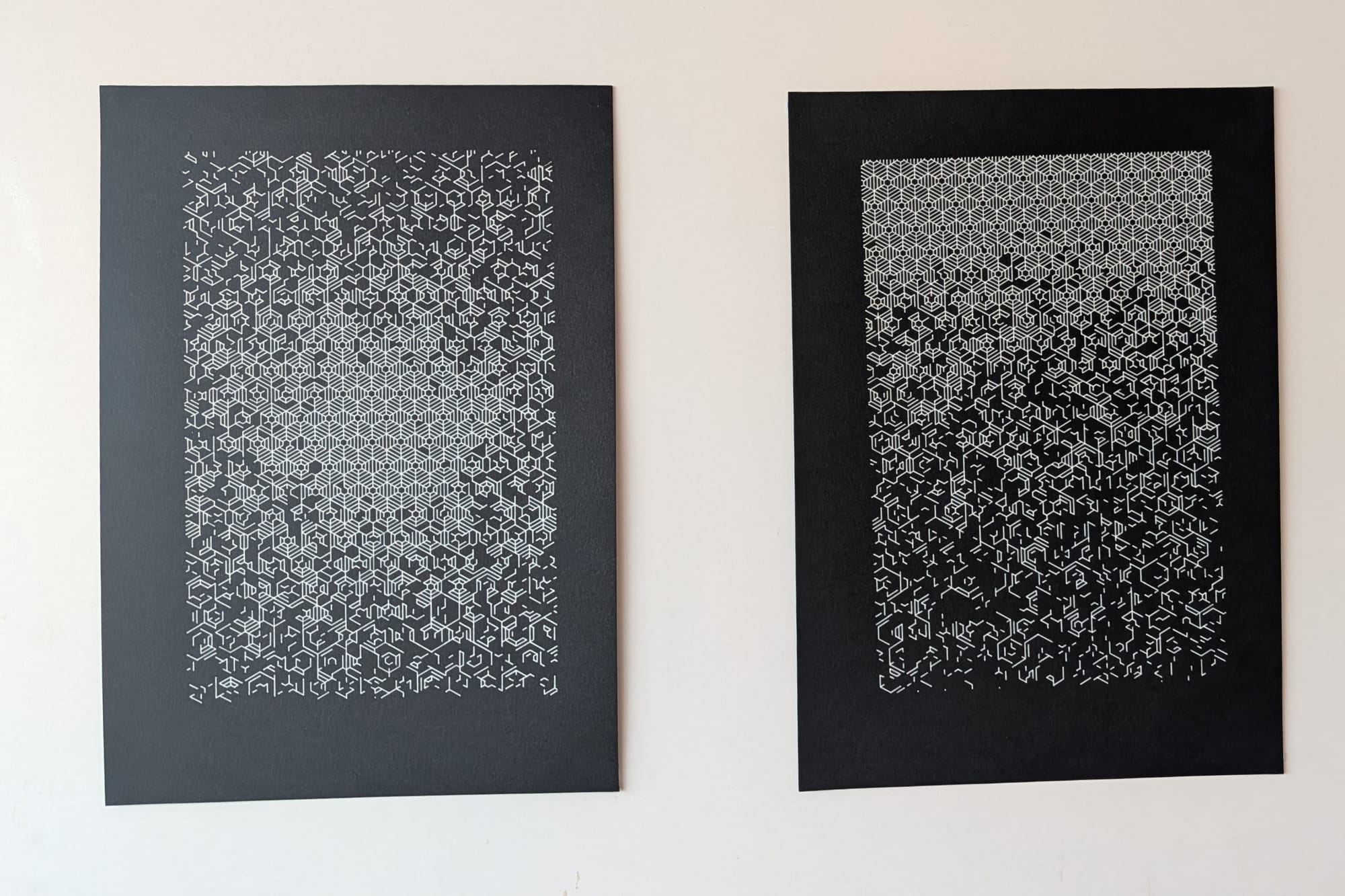
Another side by side plot. In these examples networks are initiated with different patterns of close-minded agents. (L) Radial (R) Vertical.
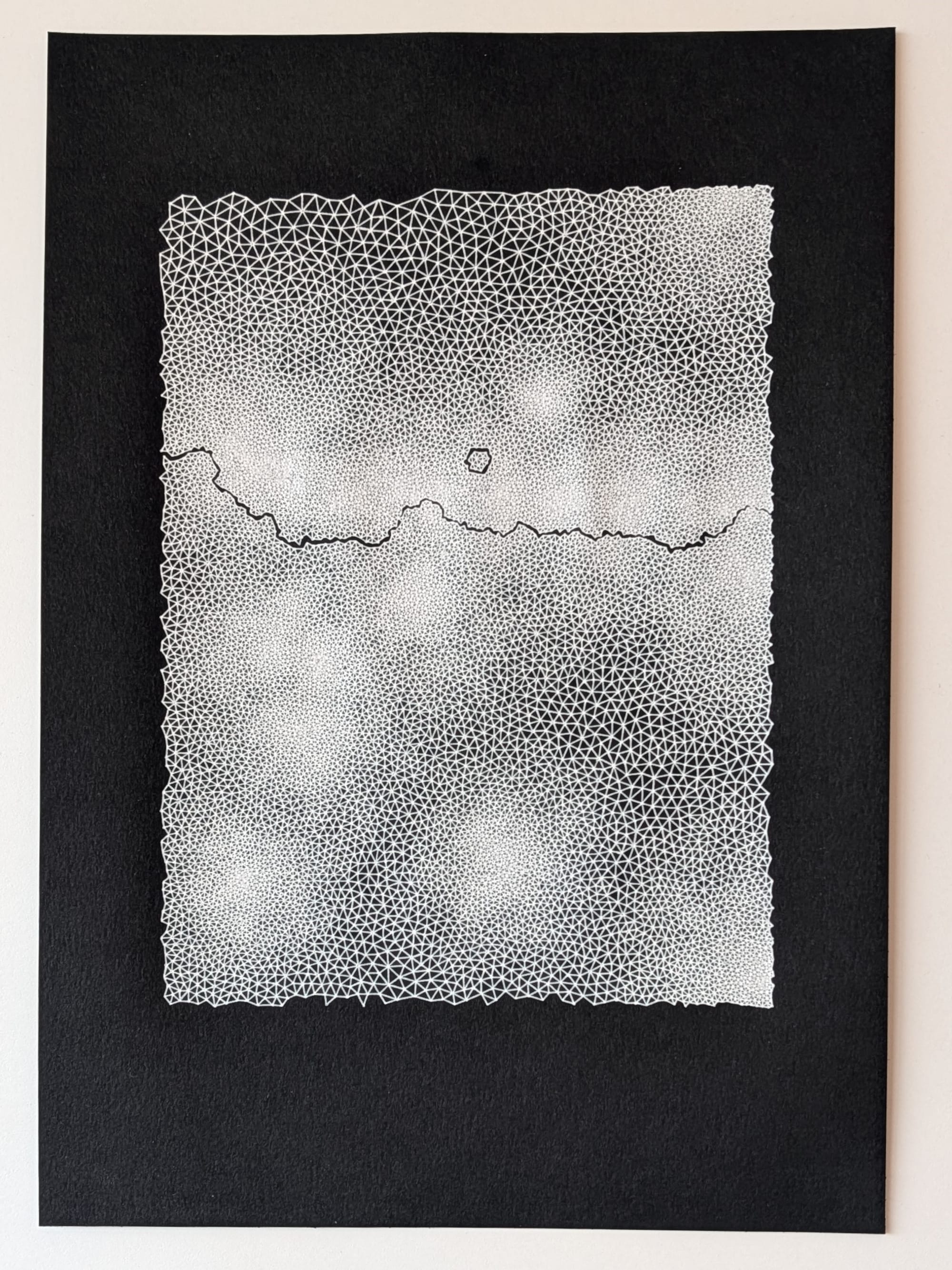
A detailed plot modelling the effect of prejudice on a network. This divides the agents into two groups.

A cropped example of prejudice applied to the network
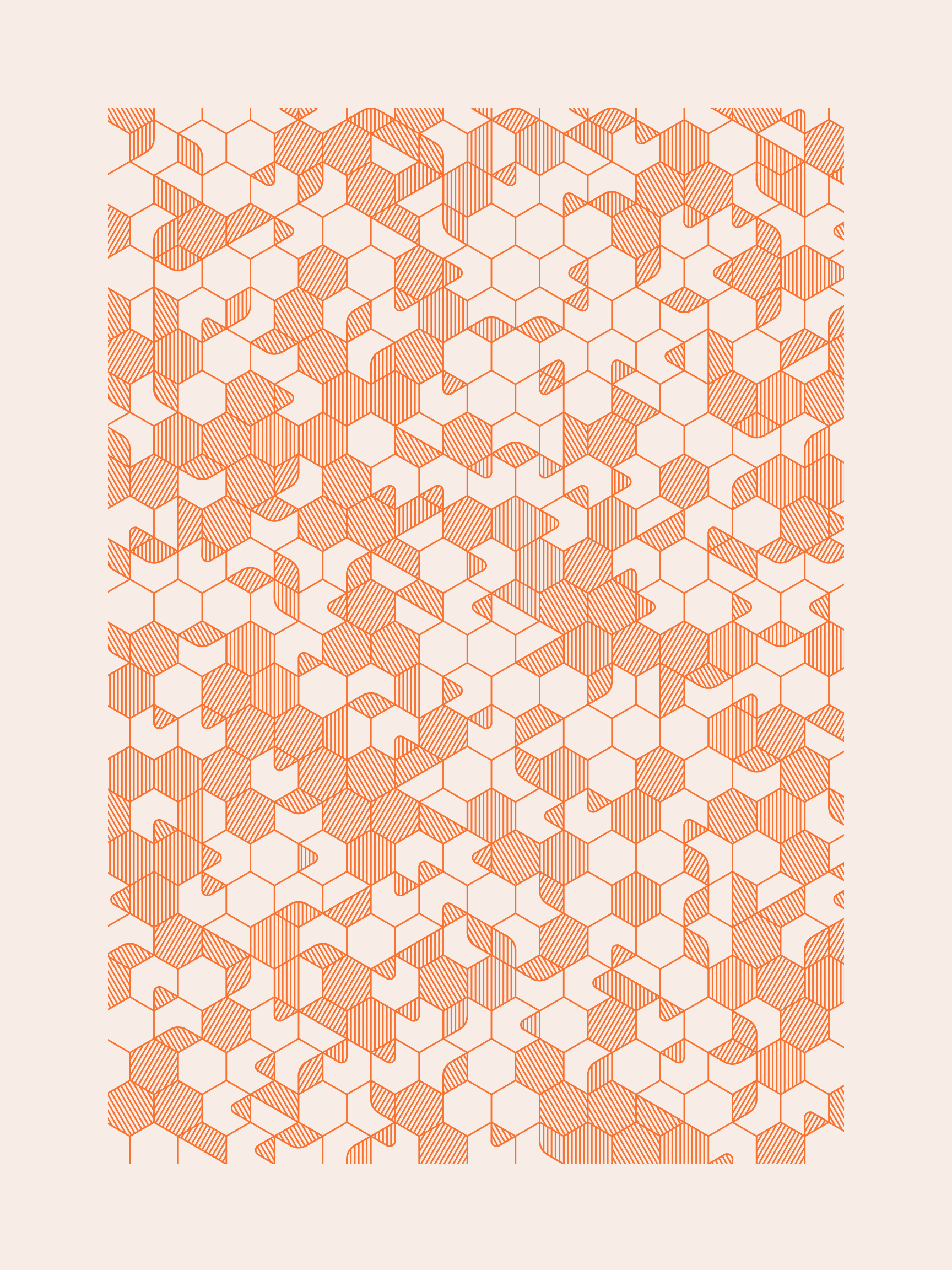
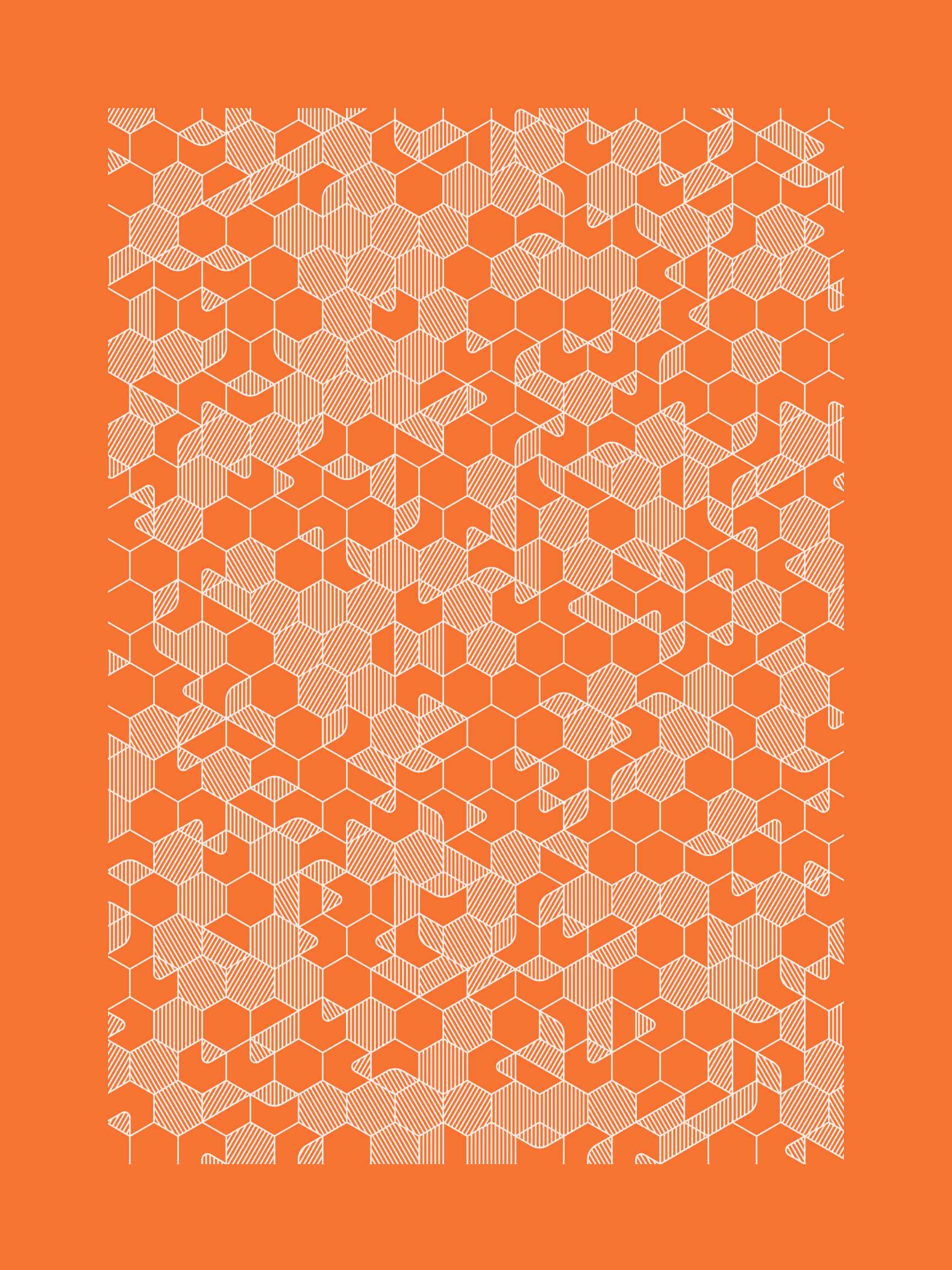
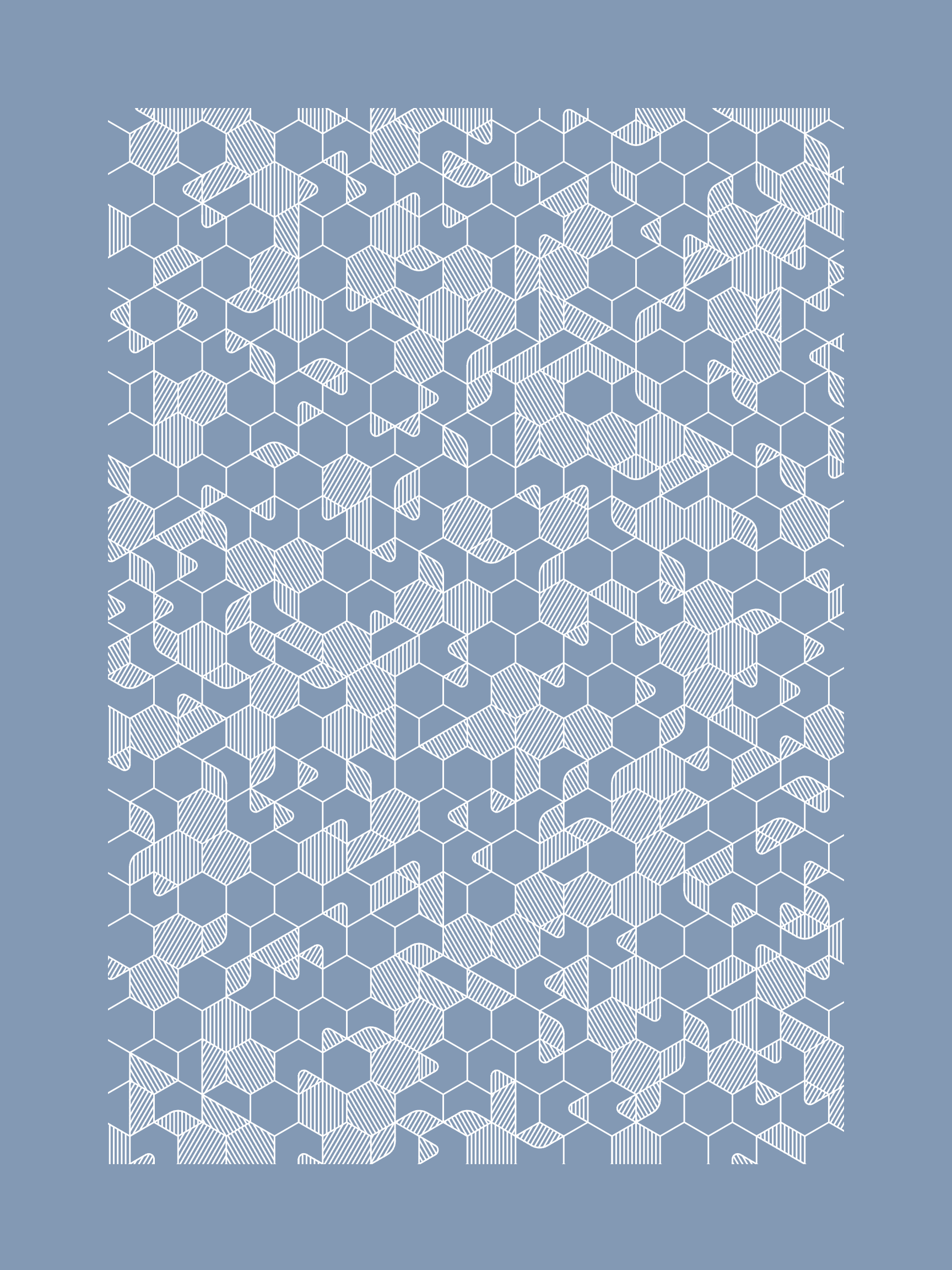
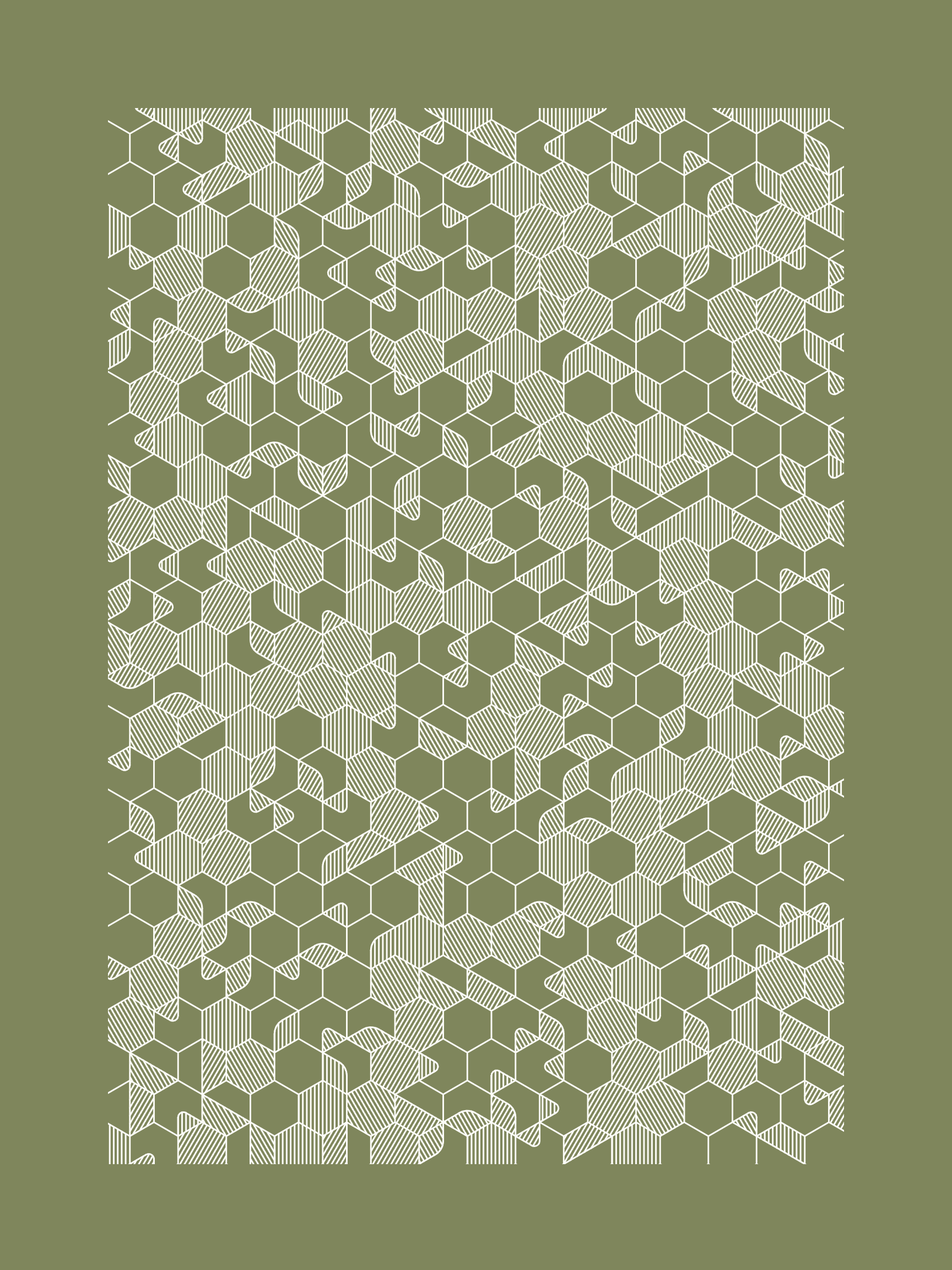
In these examples a group of 7 agents can form a consensus. If no consensus can be formed within the group, a contiguous subgroup can form a consensus. The agents in consensus are indicated by a hatched polygon.
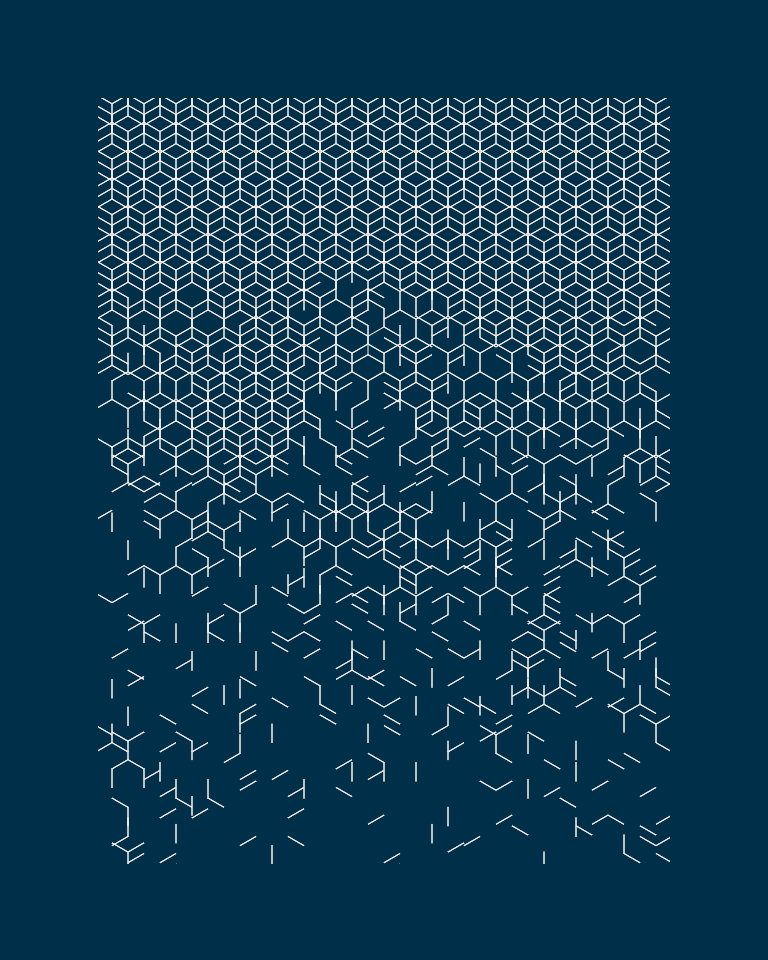
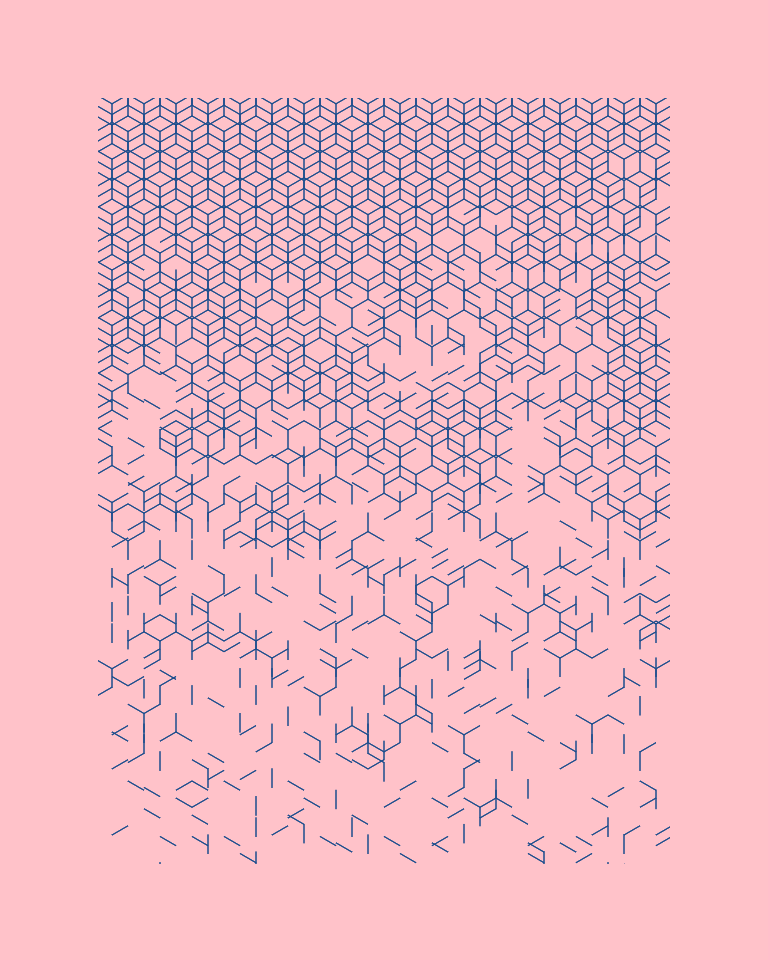
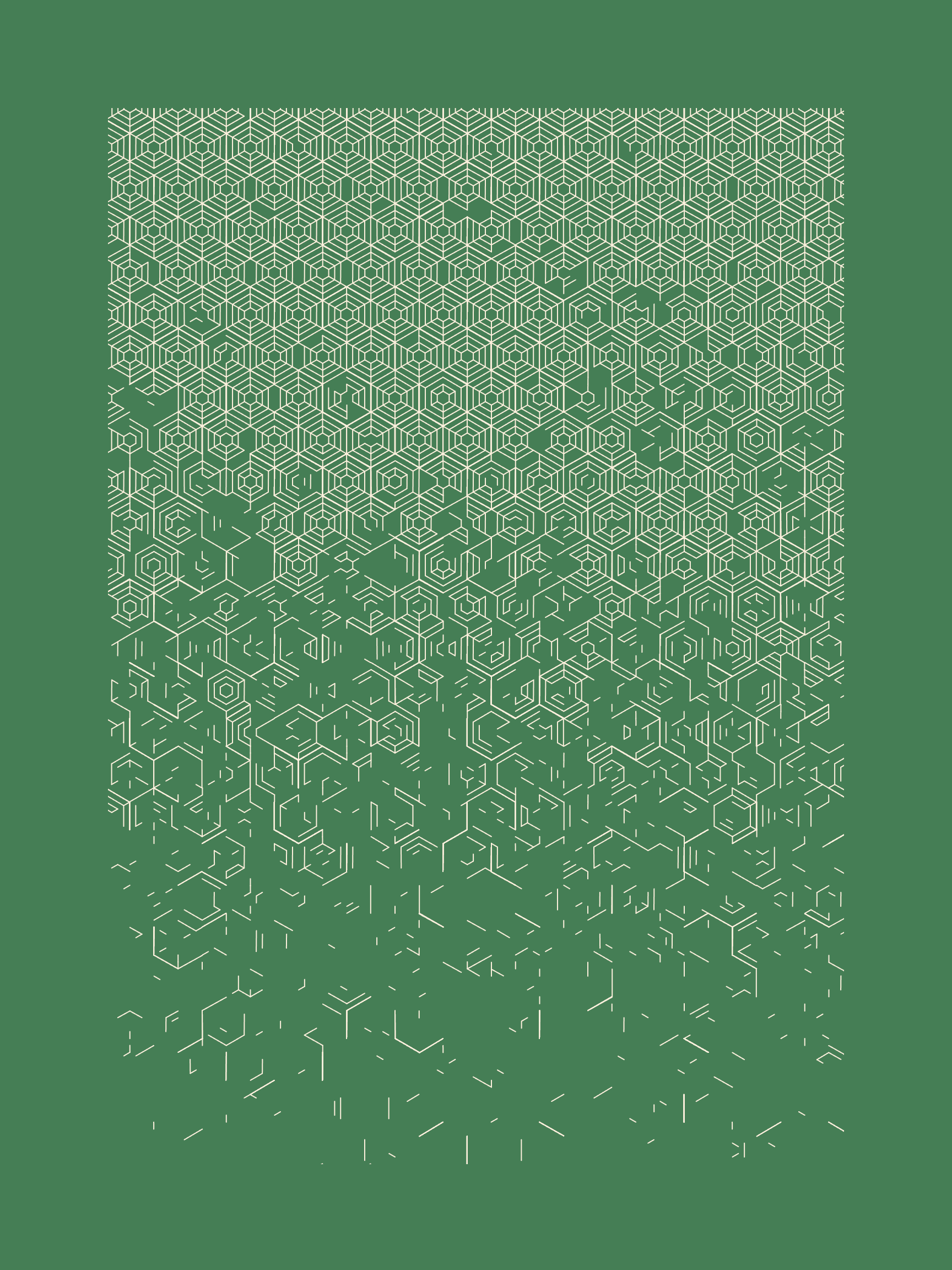
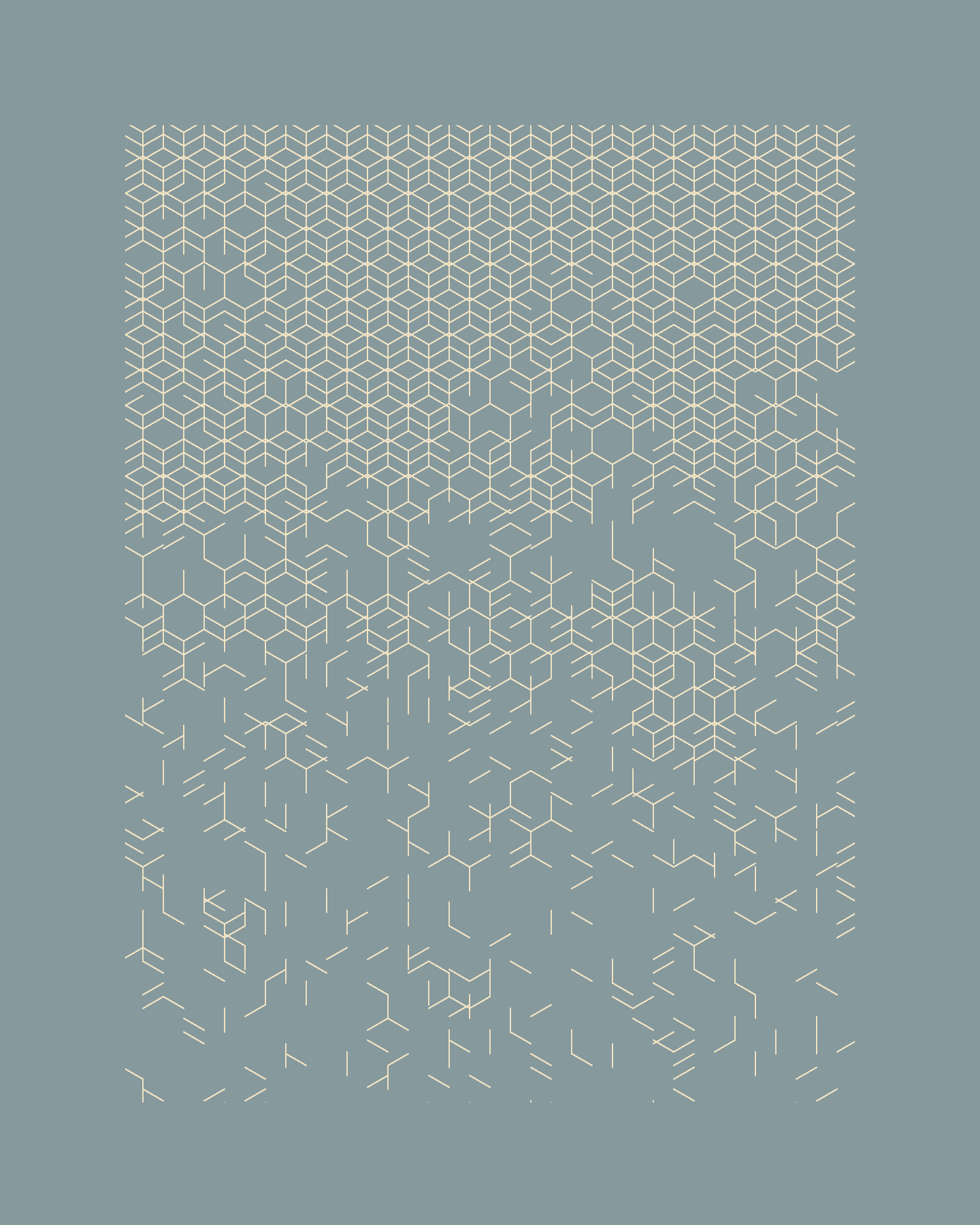
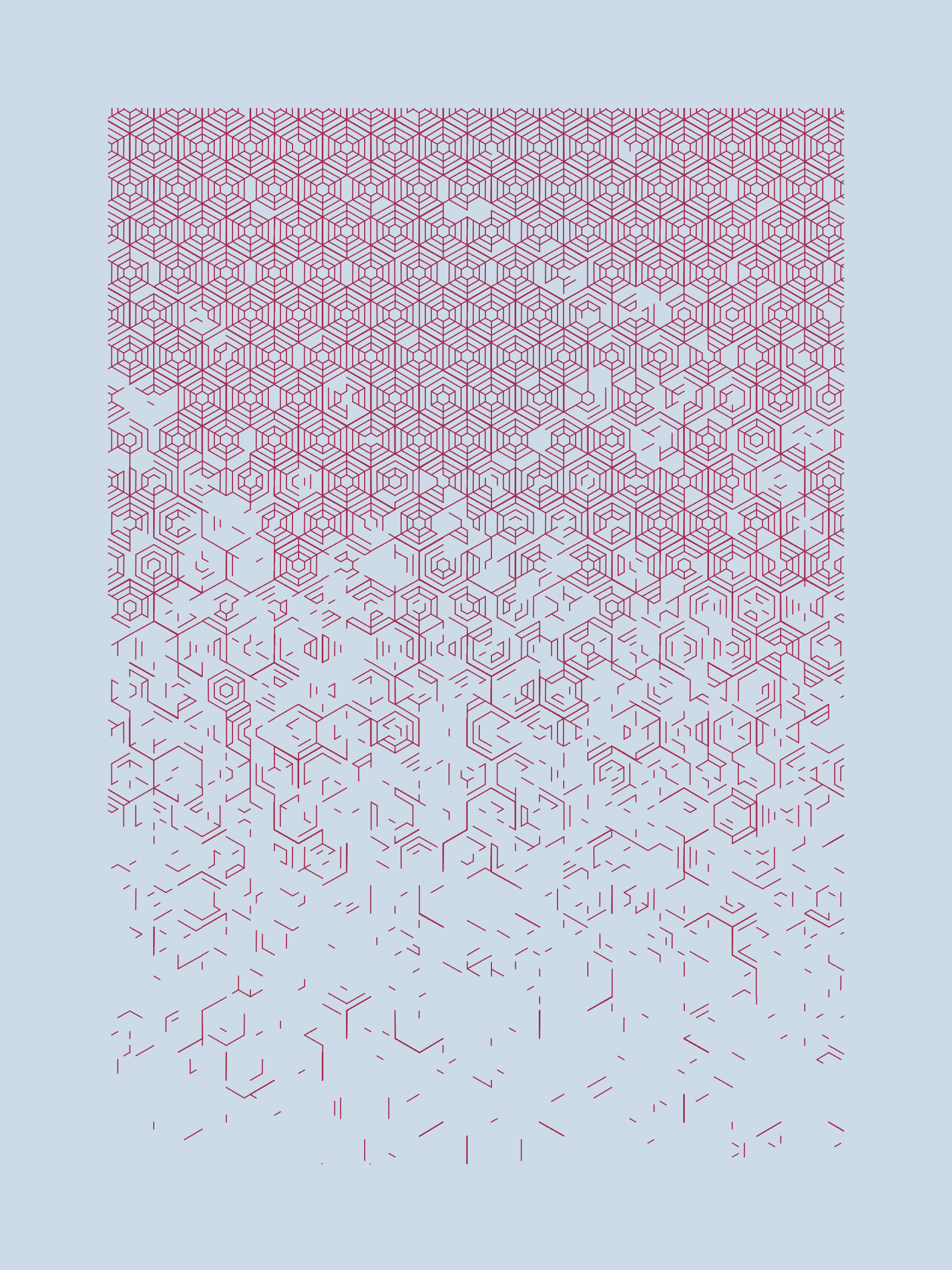
In these examples the network is seeded with agents who are more likely to be closeminded if they are towards the bottom of the page.